 |
|
|
 |
|
|
 |
|
|
 |
|
|
 |
|
|
 |
|
|
 |
|
|
 |
|
|
 |
|
|
 |
 |
|
 |
|
|
 |
 |
|
 |
|
|
 |
|
|
Greeley History |
 |
They wanted a utopia that had educated (people who had gone to school), religious (church-going), non-drinking people. They wanted families to farm using irrigation. They wanted men who held strong family values and worked in cooperation (together as a team) with each other. Greeley was the third community practicing temperance in the US. Nathan Meeker wrote a passionate article for the New York Tribune looking for settlers. Over 3000 people responded. Meeker chose about 700 to be part of the new colony. The 700 people paid $155 to be a part of the experiment. Most of the investors were also going to be the first settlers. The first settlers began to arrive in April 1870. The Civil War had been over for five years, Ullysses Grant was President and Colorado would not be a state for 6 more years. People were looking for new adventures. However, ninety were disappointed with what they saw and asked for their membership money to be refunded and went home. The seven principles for Greeley were faith, family, education, irrigation, temperance, agriculture, home. Irrigation ditches, schools and churches were
built early. When the Locating Committee (The people looking for a place to build the town.) returned to Evans, Colorado, they met with Benjamin Eaton. It was Eaton who suggested the area between the Poudre and the Platte Rivers for the town. Greeley was going to be an agriculture (farming) community (town) from its beginnings so the rivers were needed for irrigation. The ditches were dug early so that each citizen could grow crops. Education
was important to the new settlers so schools were built early. The first Meeker school was built in 1873 for grades first through twelfth.The
State Normal School, UNC today, was built in 1890 along with a new
high school. Greeley had a lot of buffalo in the early days. In
1871, a 50 mile long fence was built to keep cattle out of town. Farming
has always been important to Greeley. People came from many places to work in the fields. Many businesses started in Greeley to support the farmers. Some of the early businesses were produce warehouses, a flour company, a mercantile (store), a lumber yard, and banks. Sugar beets became an important crop in the area. In the 1920's Greeley was making 25% (twenty-five percent) of the nation's sugar. The first sugar beet factory was built in 1902 to process the beets into sugar. When the factory was built, there was a need for workers. This brought in more people to live in Greeley. In the early 1900's, German-Russians came to start a new life in the USA. Many of them went on to own their own sugar beet farms. In 1903, some of the German-Russian workers were going to stop working until they were paid more money. Japanese workers were then brought in from Denver to work the fields. During World War II, men went off to fight in the war and Japanese workers were also taken away to internment camps. Children had to go to school so they could not work in the fields. So people from Mexico came to work in the fields. The sugar beet factory used many Mexican workers so the Spanish Colony was started to keep them here. The sugar beet factory was torn down in November 2008 so that a new cheese factory could be built. The by-products (left overs) from the sugar beets were used to feed cattle. Warren Monfort began to develop feedlots to control the feeding of cattle so that the market would be well stocked. Stores could now sell beef year-round. The company that would later become Monfort then ConAgra then Swift and now JBS was started in 1960. Even
the social activities showed the importance of agriculture (farming)in
the community. The first Spud Rodeo was held in 1922 in honor of
the potato crop. Today it is the Greeley Independence Stampede which
is the world's largest 4th of July rodeo. Greeley
became a city on April 6, 1886. During World War II, Greeley had two Prisoner Of War (P.O.W.) camps. Greeley housed two POW camps in 1943. One was for German POWs and the other was for Italian POWs. The German POW were used to provide "stoop" labor in the fields. (They pulled weeds and thinned the crops as well as picked them. They had to bend over or stoop to do the work.) Culture
(art and music) has always been important to Greeley. Temperance (no alcohol) ended in Greeley in 1969. Hewlett-Packard
brought technology jobs to town. Greeley
is still growing and changing today. The citizens of Greeley are looking for ways to enjoy the changes, solve the problems that growth brings and to maintain a high quality of life for its citizens. |
|
| Pictures Click on the thumbnails below to see a larger picture. Close the picture's window to return to this page. |
|
 |
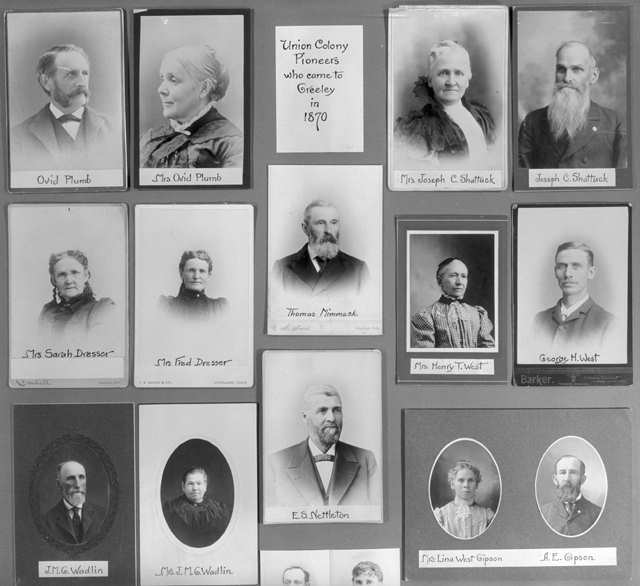 |
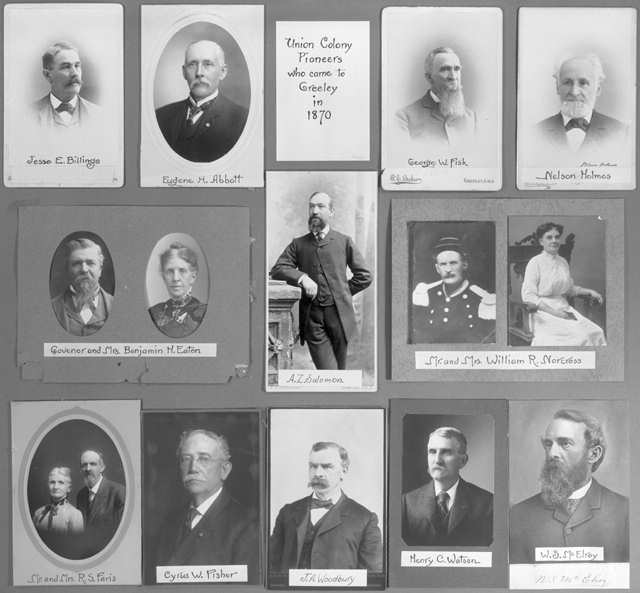
| Pictures of some of the first settlers. Photo Credit | More pictures of some of the first settlers. Photo Credit |
 |
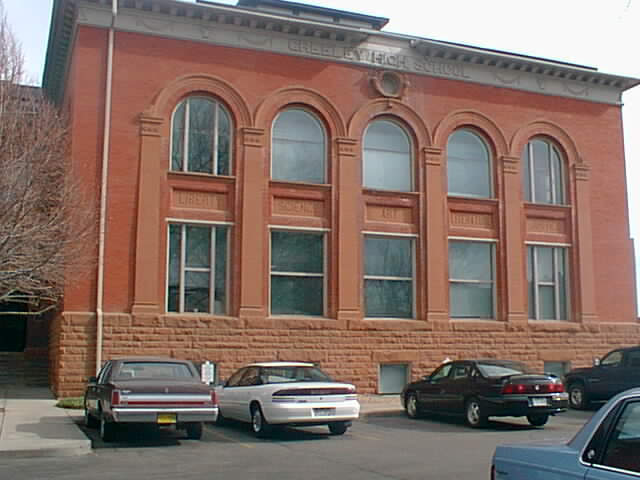 |
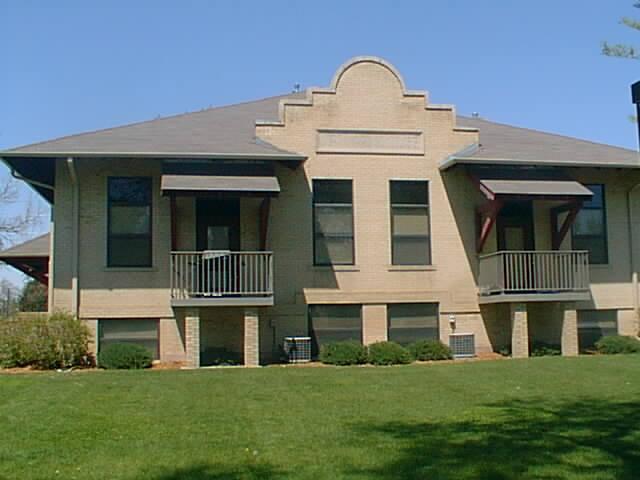
| This is the Ward 1 School. | This is the old Greeley High School. Built in 1895. |
 |
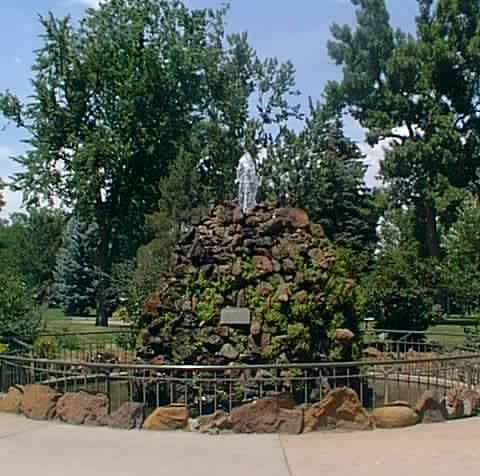 |
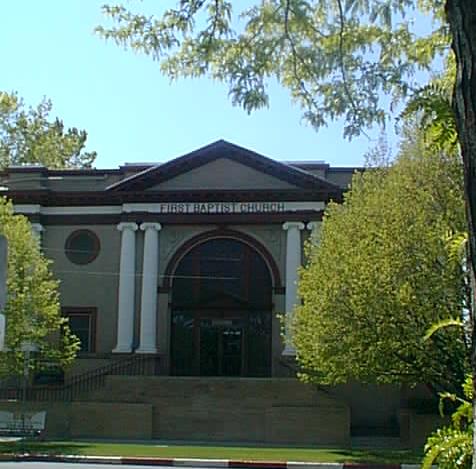
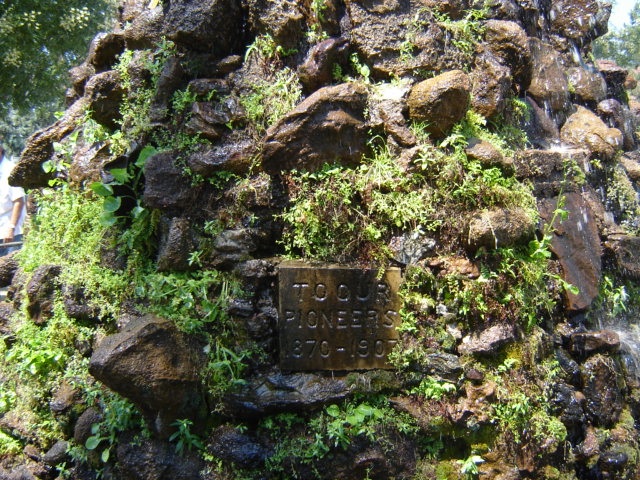
| This is the First Baptist Church. The Baptist won $500 from the Denver Pacific Railroad for building the first church back in 1871. This is the second building. | Early Greeley residents relied on wells for their water. The fountain in Lincoln Park was the most visible. The current rock fountain in Lincoln Park was built in 1907 to save that well. All residents were asked to bring rocks and shells to be in the well's construction. |
 |
 |
| Here is the plaque on the fountain. | One of the fence post from the fence built around Greeley. |
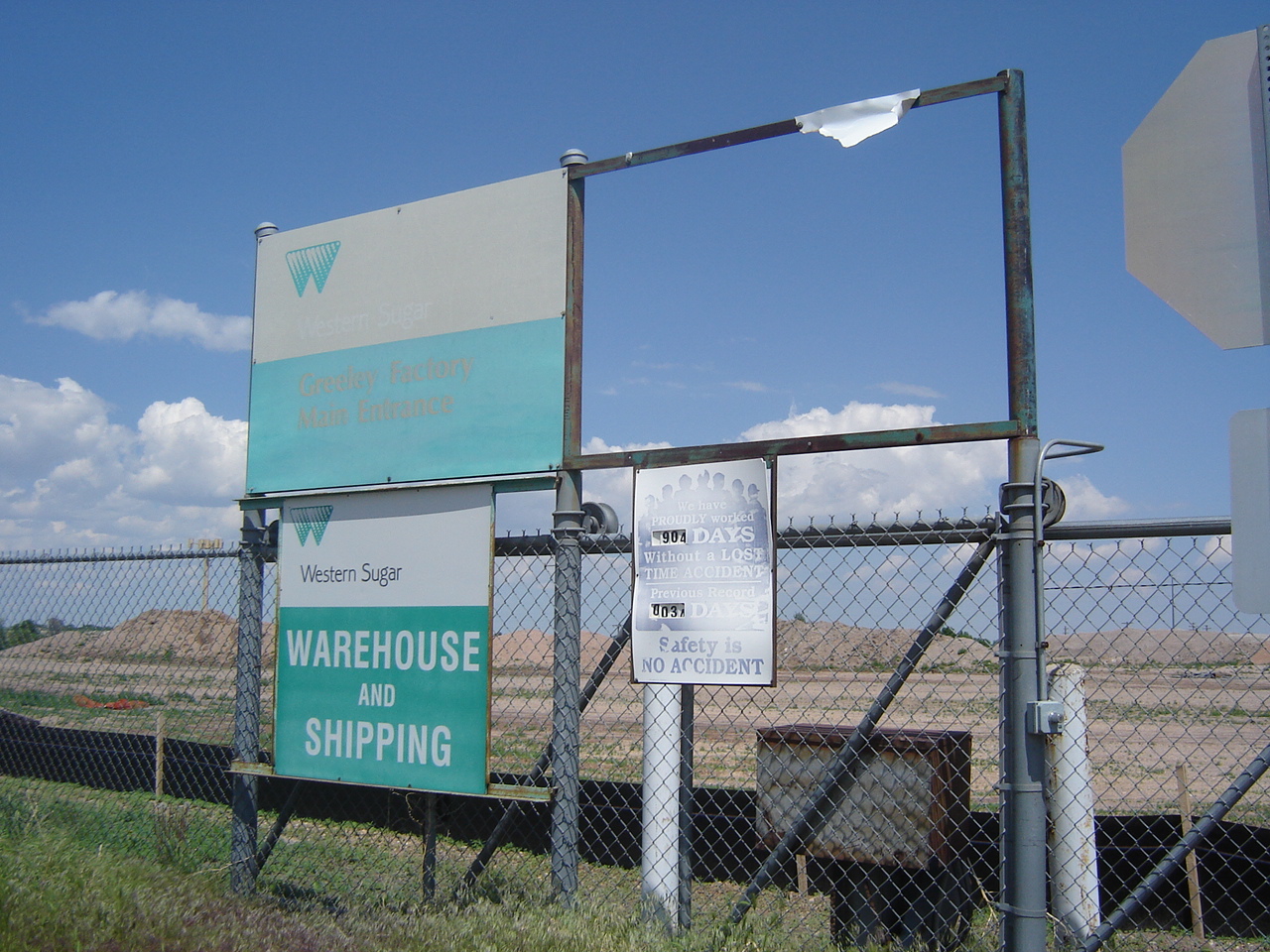
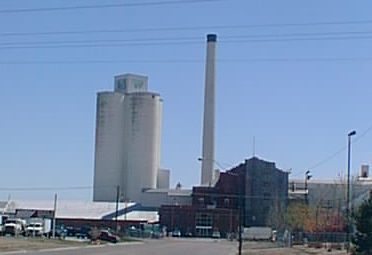
The Sugar Beet Factory was torn down in 2008. |
|
 |
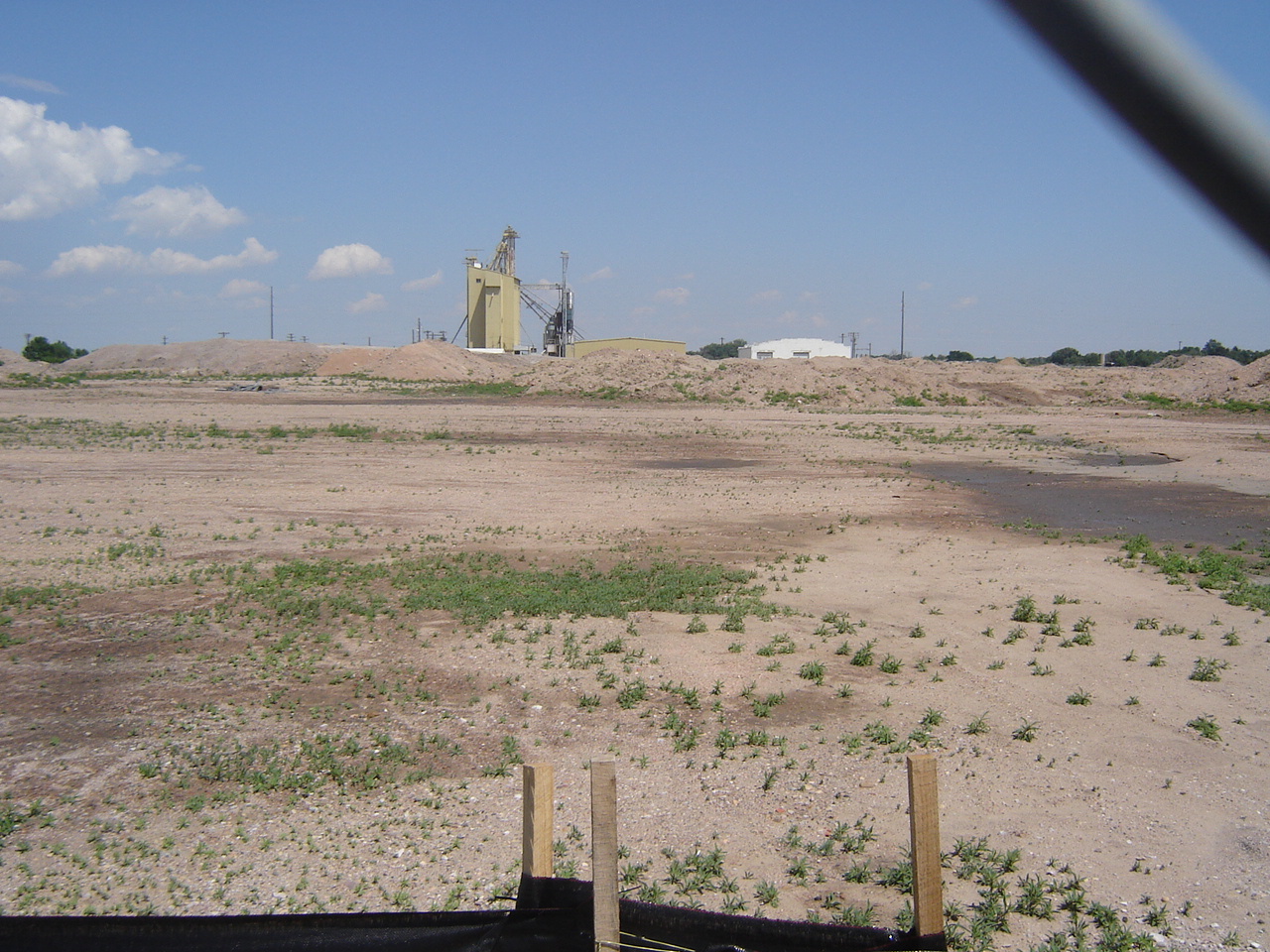 |
| The entrance gates | Where the factory stood |
 |
|
| Here is the sugar beet factory from about 2000. | |
 |
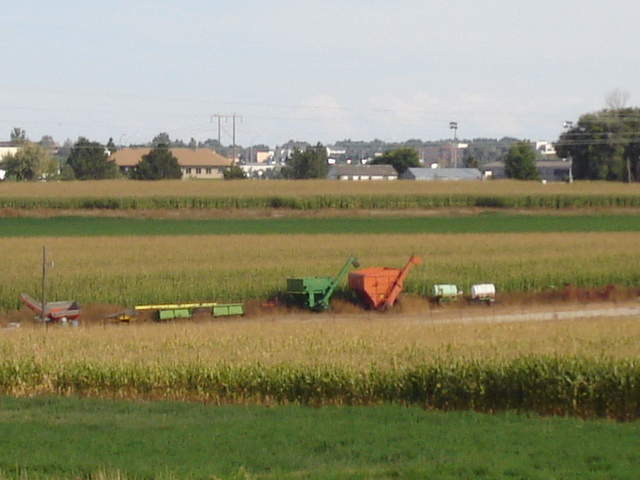 |
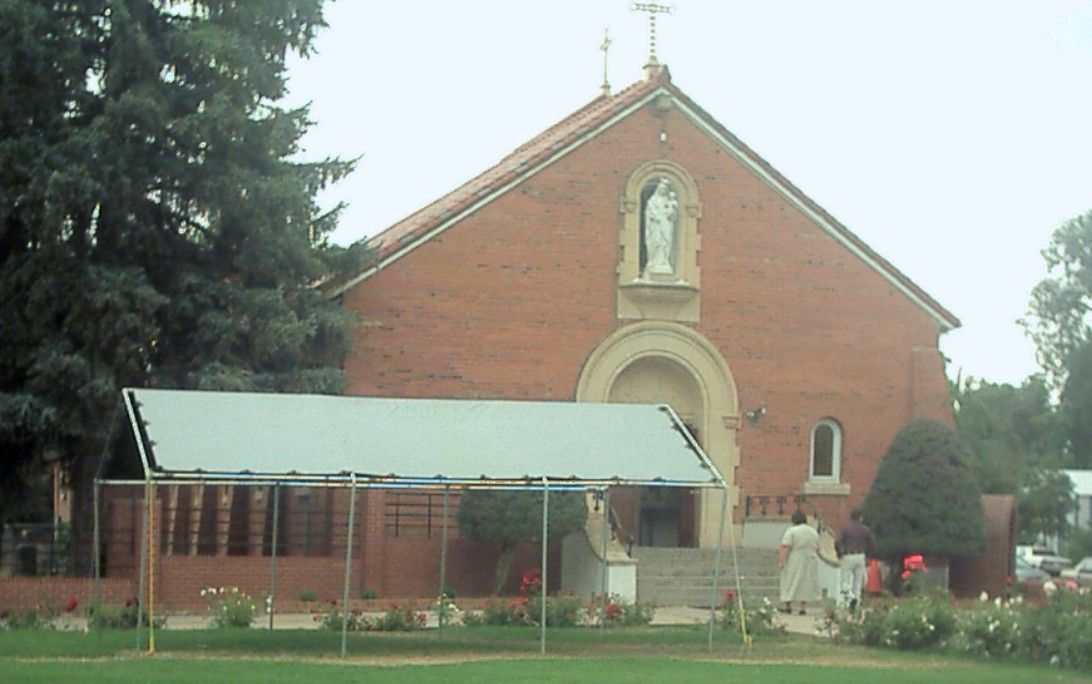
| Our Lady of Peace church built in 1948. It was needed because many of the hispanic people did not feel welcomed at the Catholic Church in Greeley at the time. | Greeley is changing. We now have farms in the city! |
|
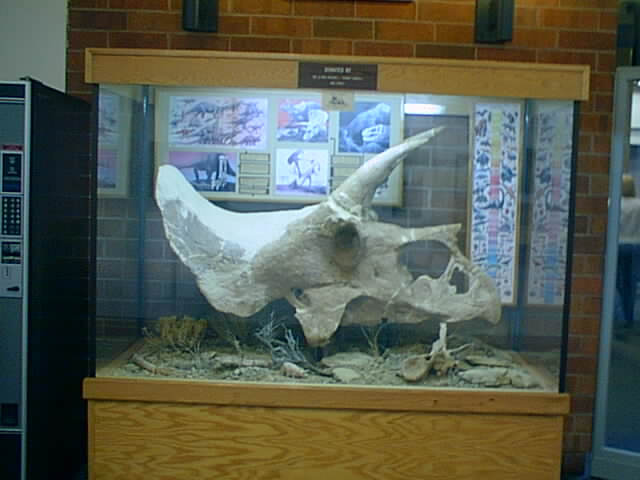 |
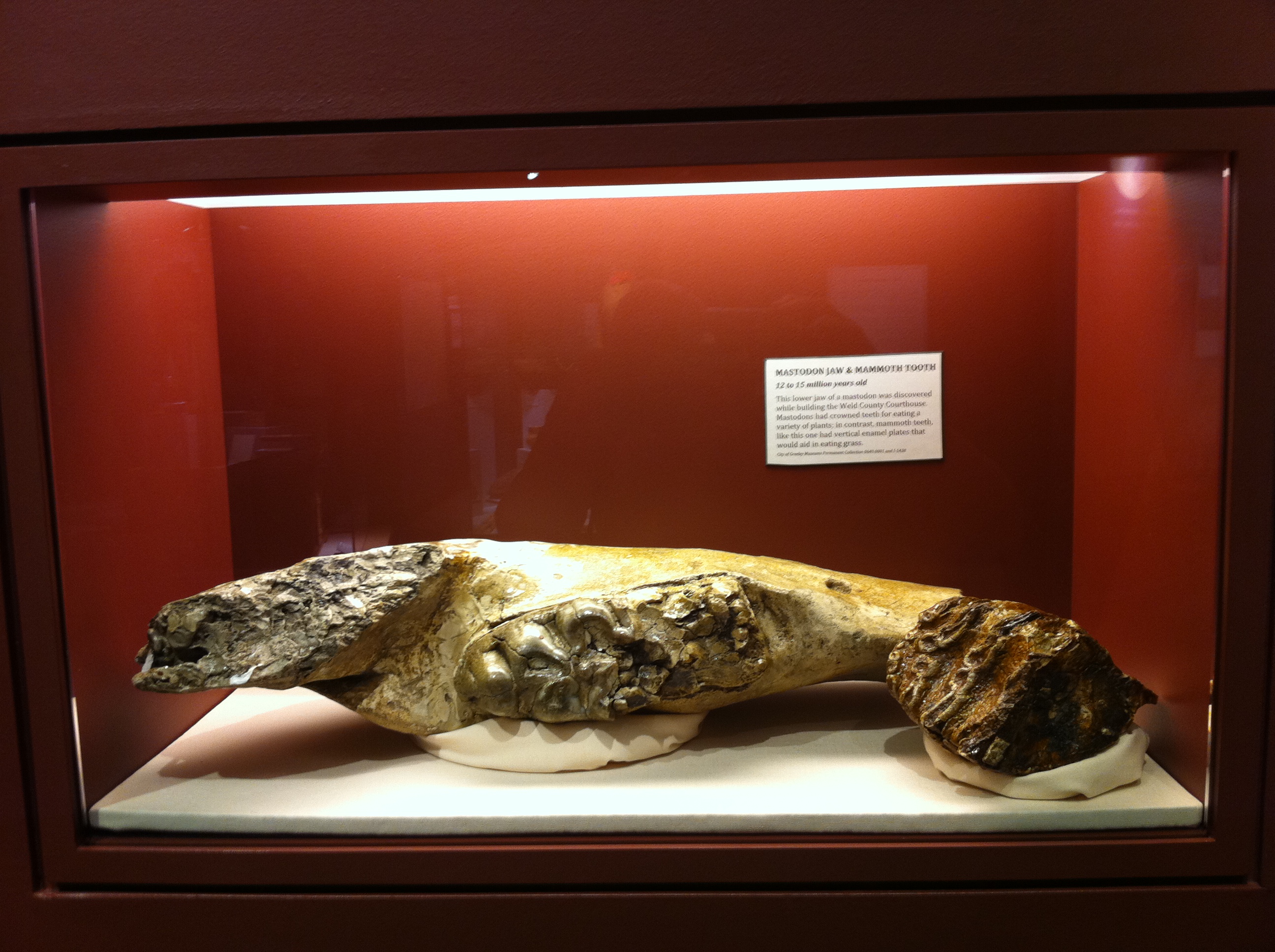
| Mastodon jaw that was found when the Weld County Courthouse was built and a Mammoth tooth on display at the Greeley History Museum. | Triceratops skull found 40 miles north east of Greeley in 1980 on the Seven Cross Ranch.. You may see it at the Weld Centennial Center. |
 |
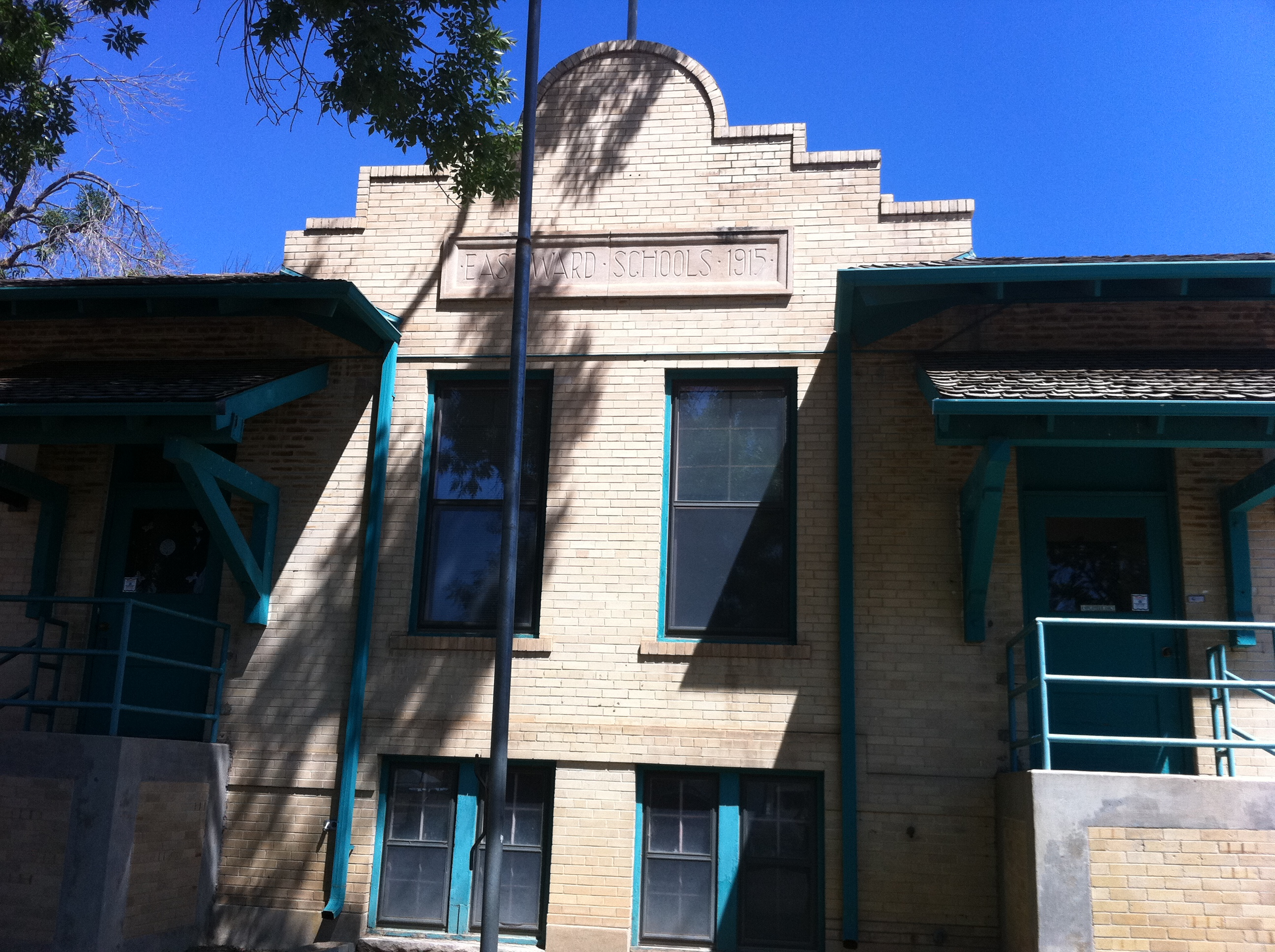 |
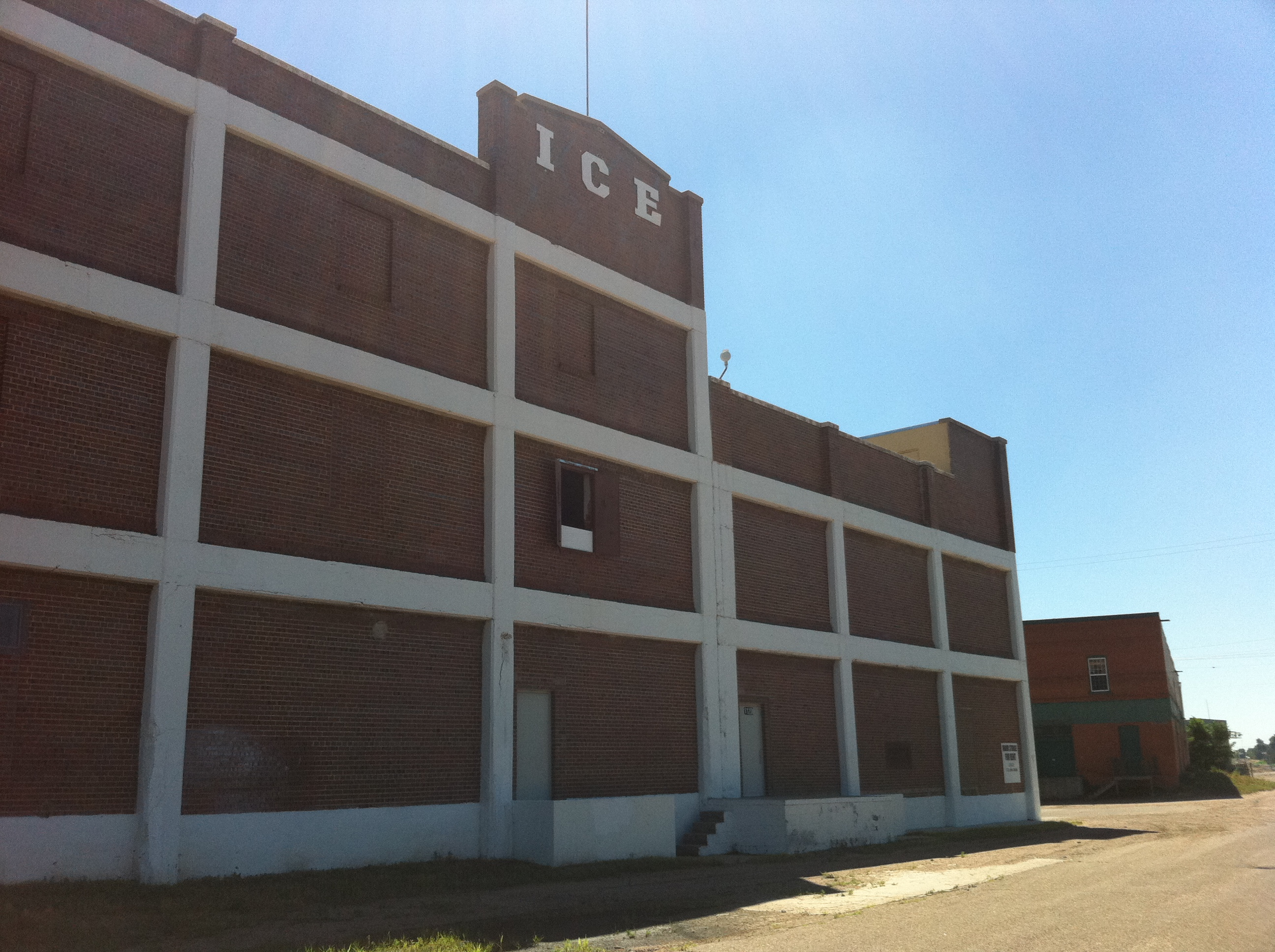
| The Ice House near the train tracks. This ice house was built in 1898 and made the ice in the building. Before that Greeley harvested ice from Seeleys Lake. They would cut huge blocks of ice using horse drawn knives. | The East Ward School which later became Lincoln School. Recently it was the Sunrise Park Clinic. |
 |
 |
| Lincoln School was where the German-Russian children went to school. In 1969, it was the first home of Aims Community College. | East Ward School 1915 |
 |
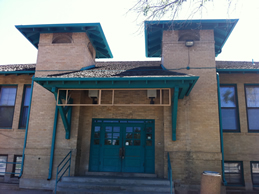 |
| Another view of the school | One of the entrances to the school |
 |
|
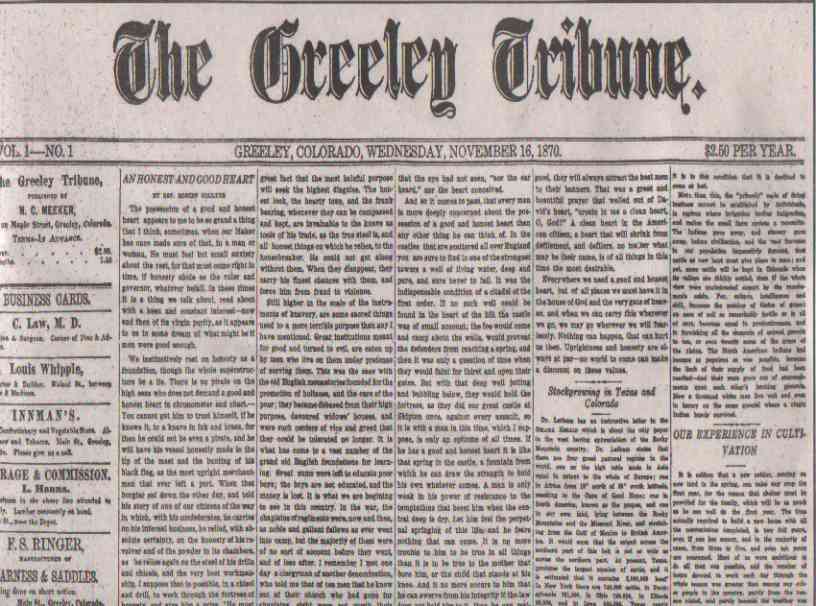
| See a copy of the first Greeley Tribune. | Learn more about Greeley's History on these pages. |
| Updated on August 2, 2013 | |